


SENTRIX
The act of sentencing is the most visible and the most important decision-making moment in the criminal justice process. It is an intersection between the power of the state and the freedom of the individual. It is influenced by a complex set of decision-making dynamics that we have not yet been able to fully explain and understand.

The Hidden Emotional Burdens of Criminal Justice Work: A Reflection
Kate Gibson, in her exceptionally perceptive and thought-provoking article “How Do You Sleep at Night? Representing Accused before the International Courts”, illuminates the emotional states, challenges, and hardships experienced by defence counsel representing...

Summertime Sentencing
It is summer. It is hot. Even though research has shown that the warm weather does apparently not affect sentencing outcomes, at least not prison sentences in Prague,[1] one might still get in trouble with the law due to the specific circumstances of this time of the...
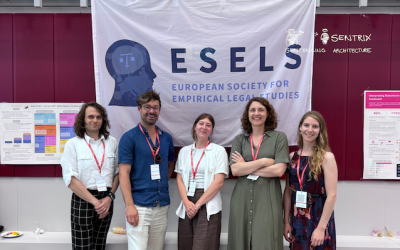
SENTRIX Team Share Findings on Sentencing Decision-Making at ESELS 2026
On 18–19 June 2026, Ljubljana hosted the fourth annual conference of the European Society for Empirical Legal Studies (ESELS), bringing together scholars from around the world to discuss the latest developments in empirical legal research. The conference highlighted...
Research Design

1st PHASE
Foundational Research

2nd PHASE
Development of Sentencing Typology
3rd PHASE
4th PHASE
Advanced Simulation
Events


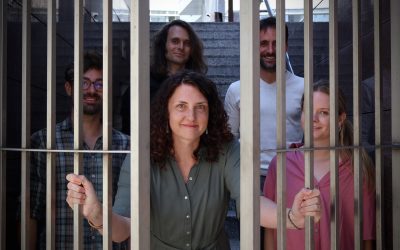
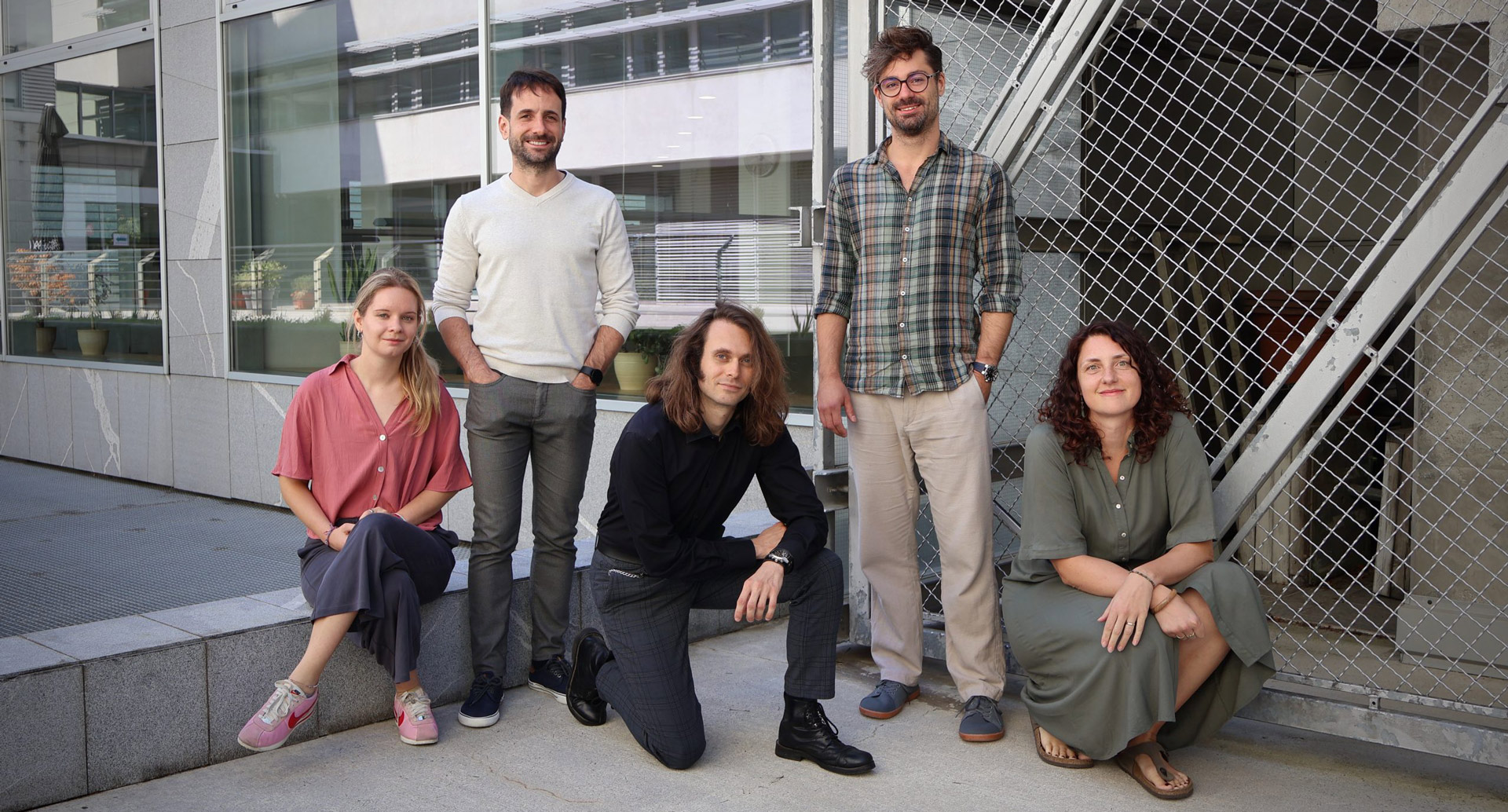
RESEARCH TEAM
+386 1 4203 242
inst.crim@pf.uni-lj.si
Inštitut za kriminologijo
Poljanski nasip 2
1000 Ljubljana


Funded by the European Union. Views and opinions expressed are, however, those of the author(s) only and do not necessarily reflect those of the European Union or European Research Council. Neither the European Union nor the granting authority can be held responsible for them.
