



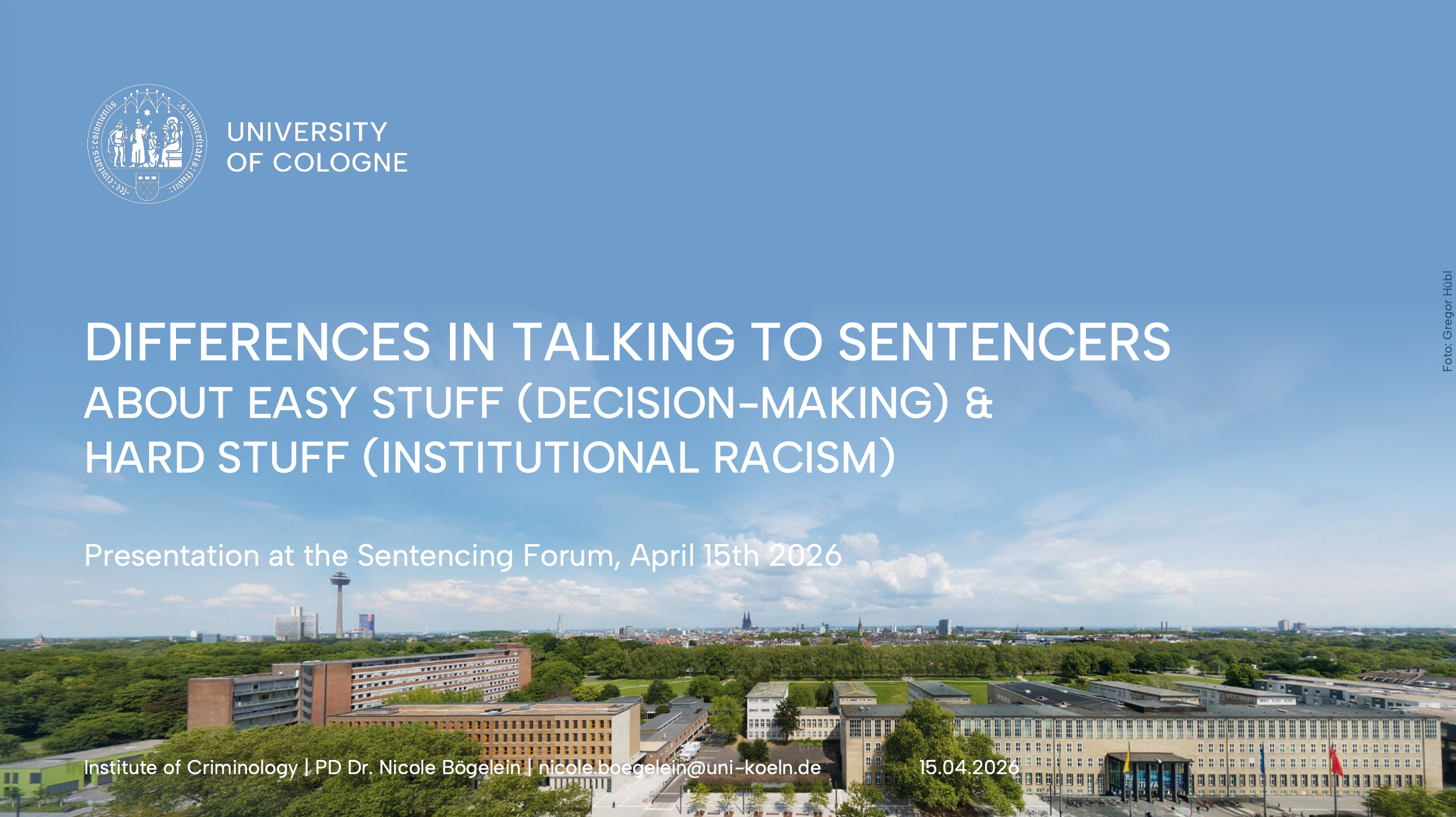
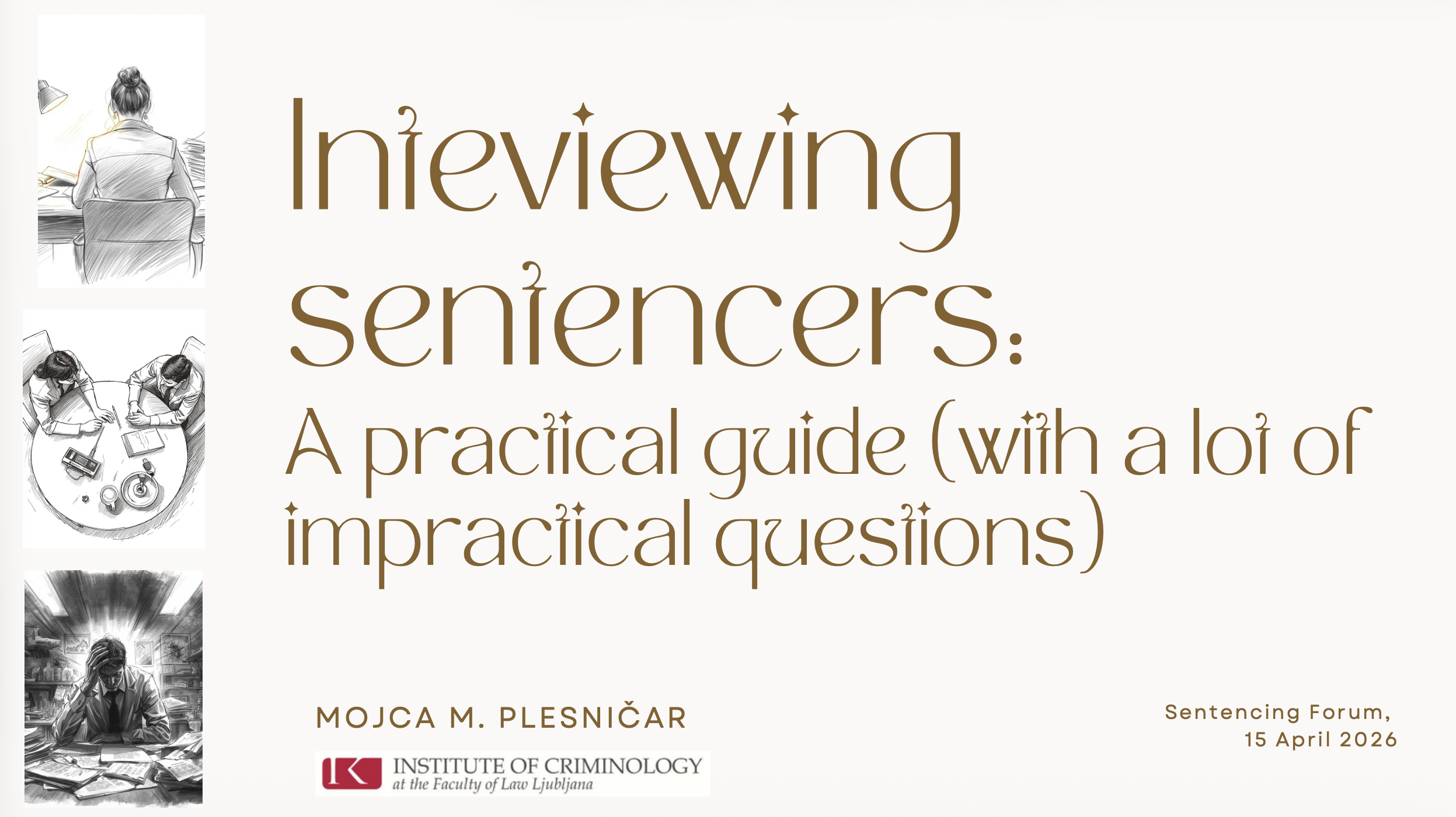
The last Sentencing Forum brought together me and Nicole Bögelein from the University of Cologne to discuss something that sits at the heart of much sentencing research: what actually happens when you try to study sentencing by talking to the people who do it.
What can interviews actually give you, and what can they not? What do you do when someone says something you find troubling and you need to keep nodding without agreeing?
What do you do when someone says something you find troubling and you need to keep nodding without agreeing? Does it matter whether you are a lawyer interviewing other lawyers, or an outsider who has to ask questions an insider would never think to ask, and if so, does that cost you something or give you something? I do not think these questions have clean answers. They depend on who you are, what you are researching, and what system you are working in.
Nicole’s presentation put this into sharp relief. Drawing on years of qualitative research in Germany, she traced the difference between what she called easy stuff and hard stuff. Easy topics, those that fall squarely within a judge or prosecutor’s professional expertise, already come with real challenges: getting access, managing power dynamics, knowing when to stop nodding. Hard stuff, as Nicole defined it, covers the things that influence sentencing but sit outside the law: the everyday theories people carry, and the racism that operates institutionally and that almost no one will name directly. These topics require perseverance, sometimes unusual routes in, and a particular kind of analytical attention to what is not said. As Nicole put it, the music is in the silence.
Where you conduct the interview matters, but what counts as getting it right is not universal.
But they need to be done with care, with honesty about what they can and cannot tell you, and with real clarity about why you are doing them and what questions they can actually answer. The session was not a how-to. It was more of a collective working-through of what this kind of research demands and what it costs.
We will continue the conversation on methods at the final seminar on 27 May, with Irene van Oorschot and Cyrus Tata discussing their experience with shadowing and observing sentencing professionals.
Presentations:
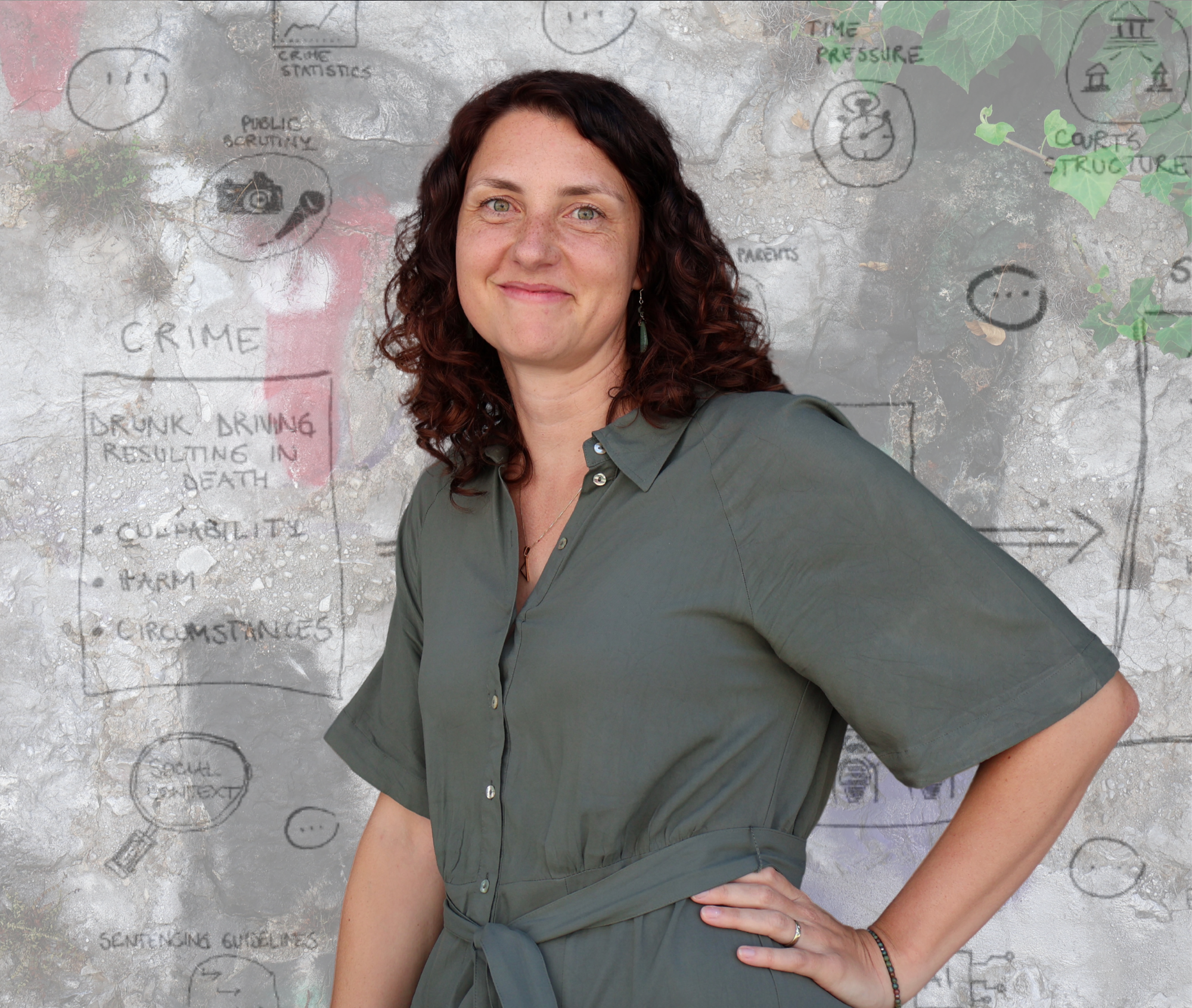
Mojca M. Plesničar
author
