


SENTRIX
The act of sentencing is the most visible and the most important decision-making moment in the criminal justice process. It is an intersection between the power of the state and the freedom of the individual. It is influenced by a complex set of decision-making dynamics that we have not yet been able to fully explain and understand.

Sentencing Forum, a new meeting point that strengthens connections across the sentencing research community
What is the Sentencing Forum? The Sentencing Forum is a new online meeting space designed to complement the existing academic structures in the sentencing field. We have conferences, workshops, working groups, and project-based collaborations, but we rarely have...

Italy’s new femicide offence: When sentencing becomes an easy substitute for understanding violence
A new offence, an old political reflex Italy has adopted a reform transforming femicide into a distinct offence in the penal code, with life imprisonment as the maximum penalty. On paper, it reads like a bold response to a social crisis. In reality, I see an old...
The Sentrix workshop on sentencing architecture successfully concluded
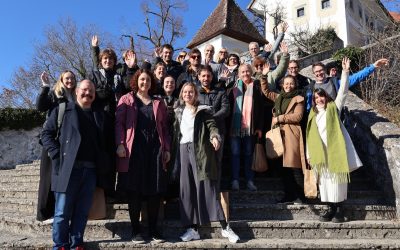
The three-day Sentrix Workshop on Sentencing Architecture, held from 12 to 14 November, concluded today in Bled, Slovenia, bringing together scholars and researchers to rethink how sentencing is understood. Set against the calm backdrop of Lake Bled, the workshop...
Research Design

1st PHASE
Foundational Research
2nd PHASE
Development of Sentencing Typology
3rd PHASE
4th PHASE
Advanced Simulation
Events

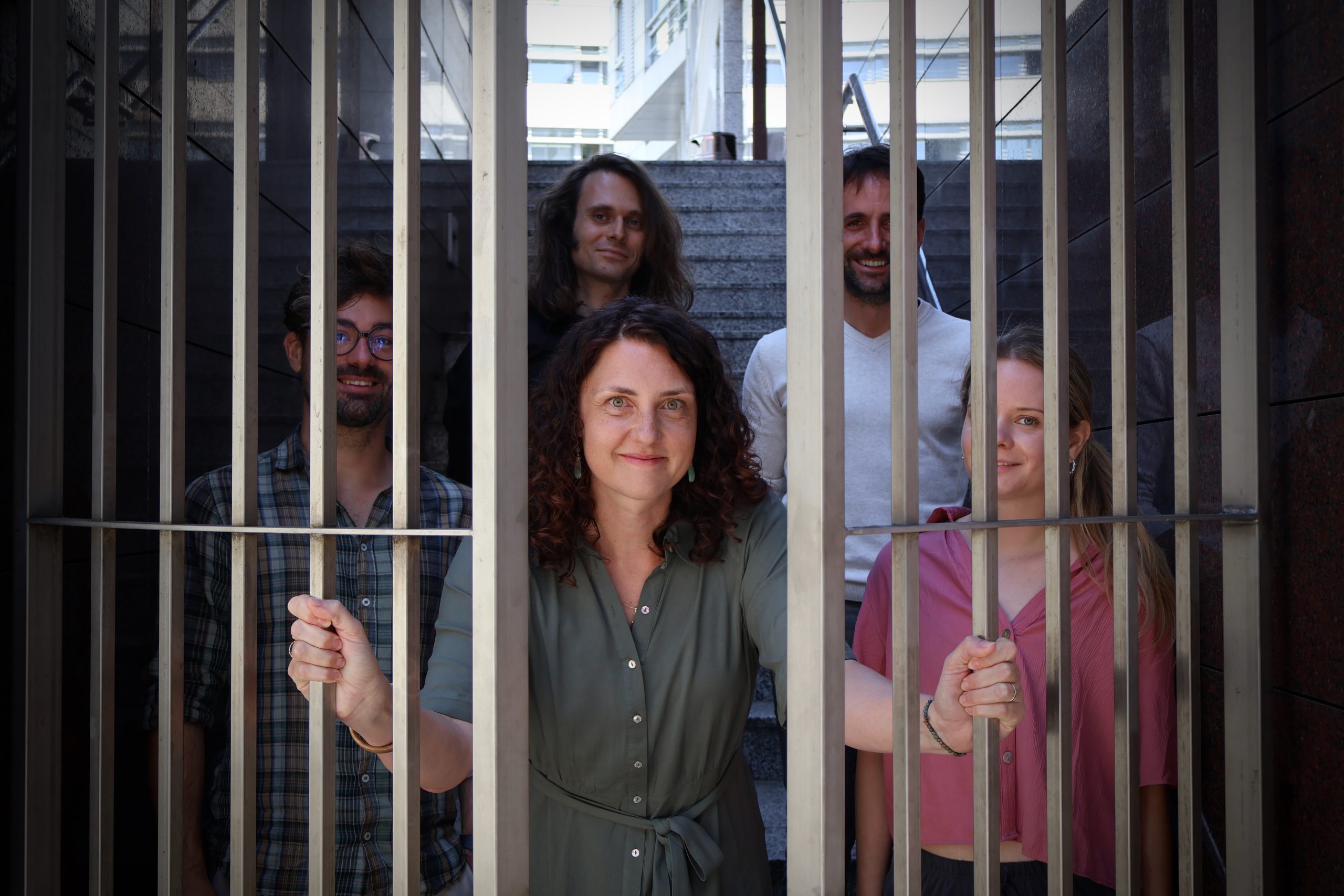
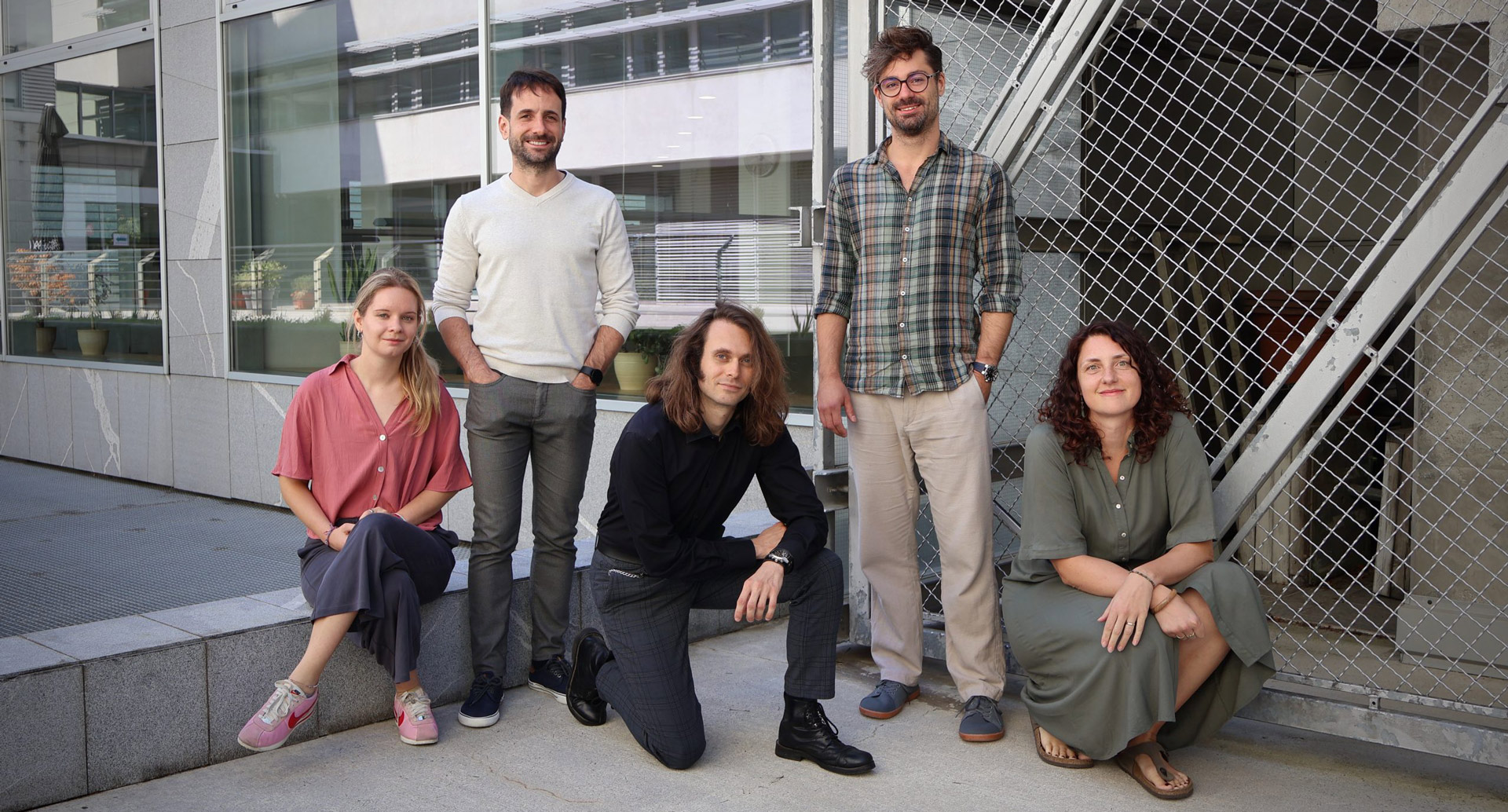
RESEARCH TEAM
+386 1 4203 242
inst.crim@pf.uni-lj.si
Inštitut za kriminologijo
Poljanski nasip 2
1000 Ljubljana


Funded by the European Union. Views and opinions expressed are, however, those of the author(s) only and do not necessarily reflect those of the European Union or European Research Council. Neither the European Union nor the granting authority can be held responsible for them.
