



SENTRIX
The act of sentencing is the most visible and the most important decision-making moment in the criminal justice process. It is an intersection between the power of the state and the freedom of the individual. It is influenced by a complex set of decision-making dynamics that we have not yet been able to fully explain and understand.

Tuesday Meeting: »AI for assisting judicial decision-making: challenges and opportunities«
We kindly invite you to a lecture by Dr. Brian Barry entitled “AI for assisting judicial decision-making: challenges and opportunities”, which will take place as part of Tuesday Meetings on Tuesday, 11 November 2025, at 15.00pm in the library of the Institute of...

Tuesday Meeting: »Pre-trial detention in Chile: Between Time Management and Standardisation«
We kindly invite you to a lecture by Dr. Javier Velásquez entitled “Pre-trial detention in Chile: Between Time Management and Standardisation”, which will take place as part of Tuesday Meetings on Monday, 10 November 2025, at 11.00 a.m. in the library of the Institute...

Behavioural Economics and Law: How We Decide – in the Mind, in Institutions, and on the Screen
At the 51st Slovenian Lawyers’ Days (Portorož, 16–17 October 2025), a thought-provoking panel focused on Behavioural Economics and Law. The session, chaired by Jaka Cepec, explored how insights from behavioural science – from Kahneman’s dual-system theory to the...
Research Design

1st PHASE
Foundational Research
2nd PHASE
Development of Sentencing Typology
3rd PHASE
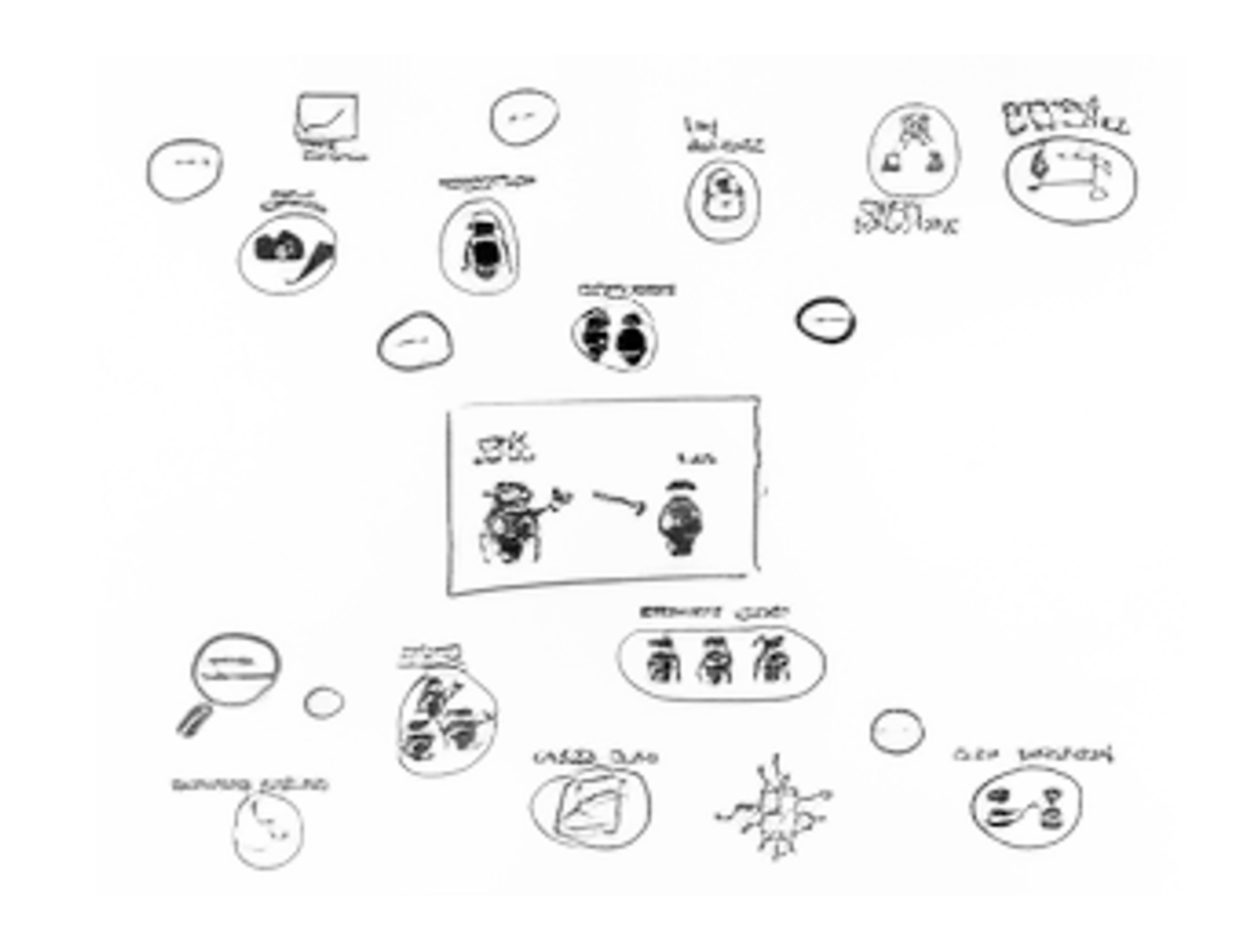
4th PHASE
Advanced Simulation
Events
No Results Found
The page you requested could not be found. Try refining your search, or use the navigation above to locate the post.
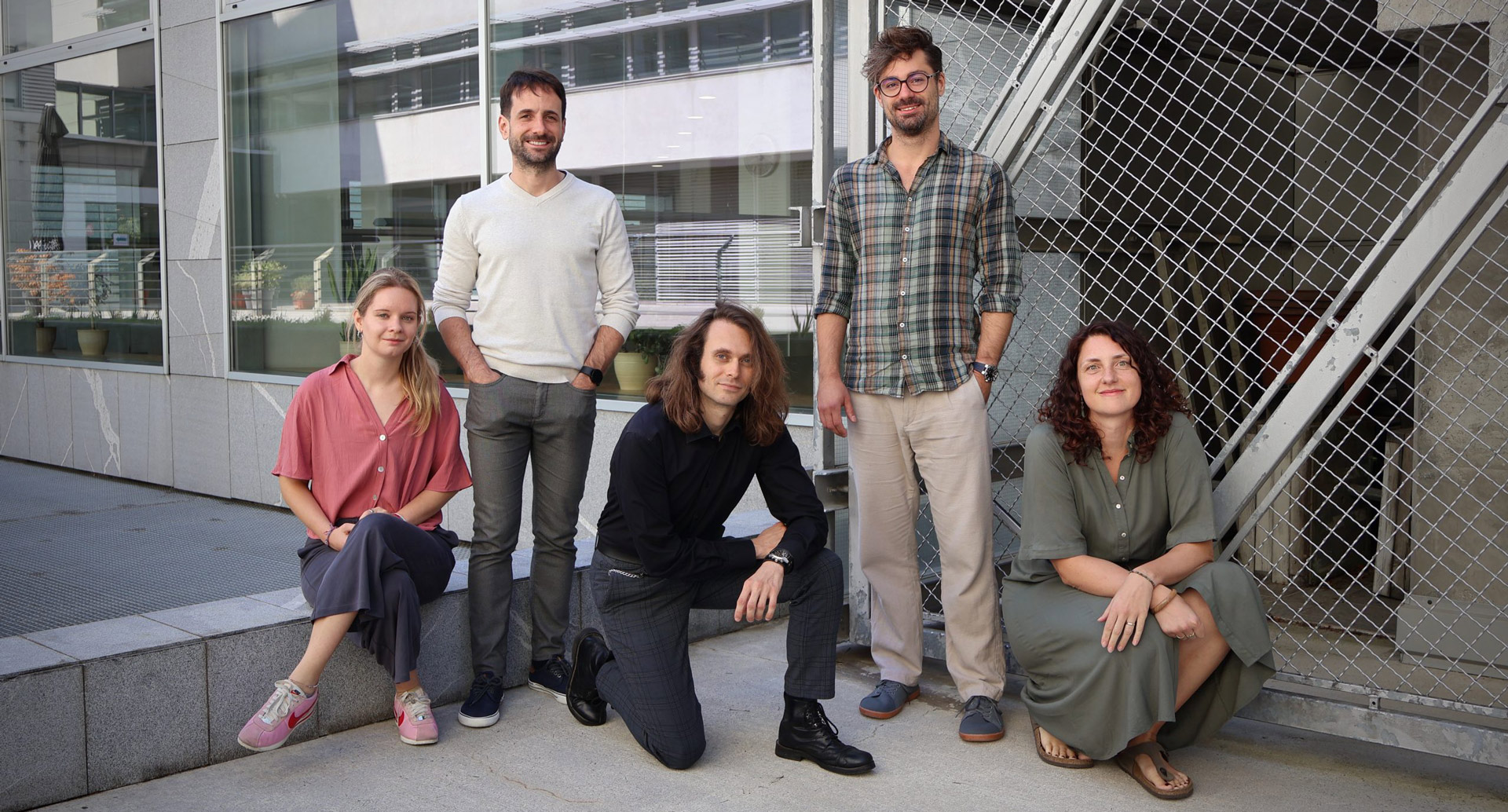
RESEARCH TEAM
+386 1 4203 242
inst.crim@pf.uni-lj.si
Inštitut za kriminologijo
Poljanski nasip 2
1000 Ljubljana


Funded by the European Union. Views and opinions expressed are, however, those of the author(s) only and do not necessarily reflect those of the European Union or European Research Council. Neither the European Union nor the granting authority can be held responsible for them.
